The Two-Map Check for Safer Public-Land Hunting Access
Ensuring Safe Public Land Hunting Access: The Two Map Strategy
Getting around public land hunting is more, than finding places to hunt on a map. A place that looks good on a map can quickly become a problem if the access point on the map is blocked by land, seasonal rules or wrong road info. It's important to not know where public land is but to know the legal and safe ways to get there without stepping on private land or hurting delicate places. This is where a two map check, along with knowing the rules becomes very helpful for making decisions about how to get in.
Understanding the Access Situation
Before going into the details of a place make sure you understand how to get. Every part of the trip might need permissions. Just because land is owned by the state doesn't mean you can go through private land cross closed gates or use restricted roads.
Start by looking at the map. Mark land, trails, parking areas, waterways and any private land borders. Official maps from the state wildlife agency are best because they are reliable and give the context for the area.. Be careful because whats on the map might not match what's actually there. It's important to find the spot where you will leave your car and every place where the route changes.
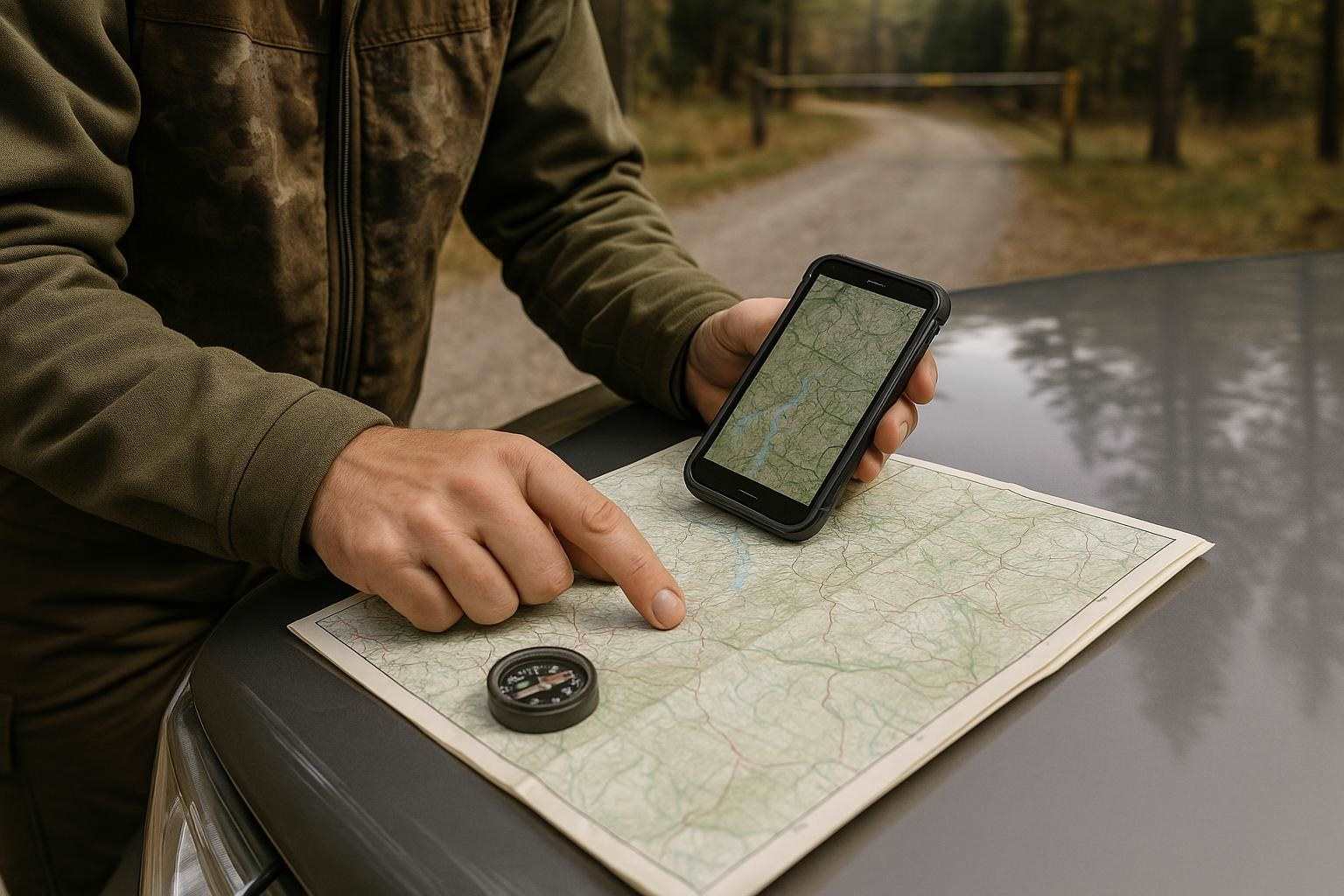
To check again use a second map source, like a county assessors map, a printed map from an agency or a trusted offline app. If there are differences, like a border that changes or a road that looks different mark that area as unsure of picking the one that makes things easier for you. A clear line on a map doesn't always mean the land is the same.
Matching Maps with Rules
Maps show where the land is. The rules say what you can and can't do. It's important to look up the rules for your area before you go because these rules can change between hunting seasons.
Check the rules that apply to the land you are looking at. Look for rules about cars, where you can camp and if you can use dogs or fake bait. Sometimes emergency closures happen that change the way you can get in. These changes might not be on the maps or brochures. Save the rules offline and remember when you last looked at them so you have the most up to date info before you go.
If you find info between sources take time to ask the people for help instead of making your own guess. A little extra work can stop you from getting fines being accused of trespassing or getting in trouble with landowners.
Being Careful with Borders
Borders are not just lines on a map. They can be tricky and unclear. Things like fences, hedges and ditches might give some signs. They can't be trusted completely. These things might be older than the land lines and paths that are used a lot might not be open to everyone. On land there can be private land in the middle that creates problems.
Take an approach with borders by planning a safe area around them. This might mean taking a way avoiding crossings or picking a known way that keeps you safe. Even if it takes longer it's better than trying to go through land that might get you in trouble.
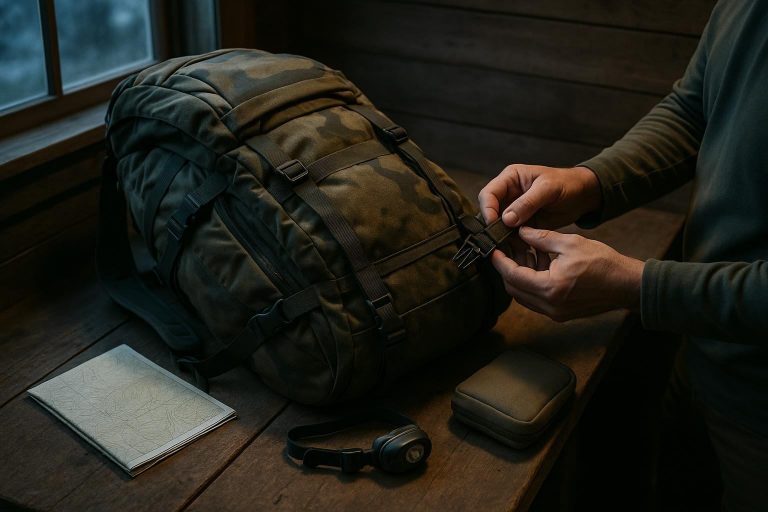
Always have a paper map with you. Download the area. Make sure your phone has power and a power bank for navigation. These tools are important. They should help you see if your planned route is right. This is especially important in areas where the phone signal's weak.
Making Ethical Hunting Paths
Legal access is the base for your hunting trip. Making a responsible path is also important. Think about the places you pass other hunters and people nearby. Don't drive around gates make trails or park in a way that blocks emergency vehicles or farming. If you are on ground that could get damaged it's better to walk from a surface or find another way in.
Also think about how your presence affects the land and others. Even if there are ways to get in usually only one or two are good for parking or entering. Don't put pressure on one place to keep things fair for everyone. Make sure to leave gates as you found them take all your trash. Don't make signs or flags that might be used by others.
The Final Access Checklist
Before you go on your hunting trip make sure you have done the following:
– Check the rules, including when the season's where the area is, what you need to hunt and how to tag your animals.
– Find out if there are any areas or restrictions from the people who manage the land.
– Make sure both maps you used show the places where you can get in and the same paths.
– Find places where you can park legally that don't block paths.
– Know about any land or unclear borders. Have safe alternatives ready.
– Have backup maps and tools like a charged phone and a power source.
– Look at the weather and the ground to avoid problems during your trip.
If there is still any doubt it's better to change your plans than to take a risk at the minute. This might mean choosing an area or waiting to hunt. Changing your plan can lead to an more enjoyable experience in the end. Things and rules can change fast so make sure to check your plans with the most up, to date sources. It's better to take your time than to get in trouble in the field.