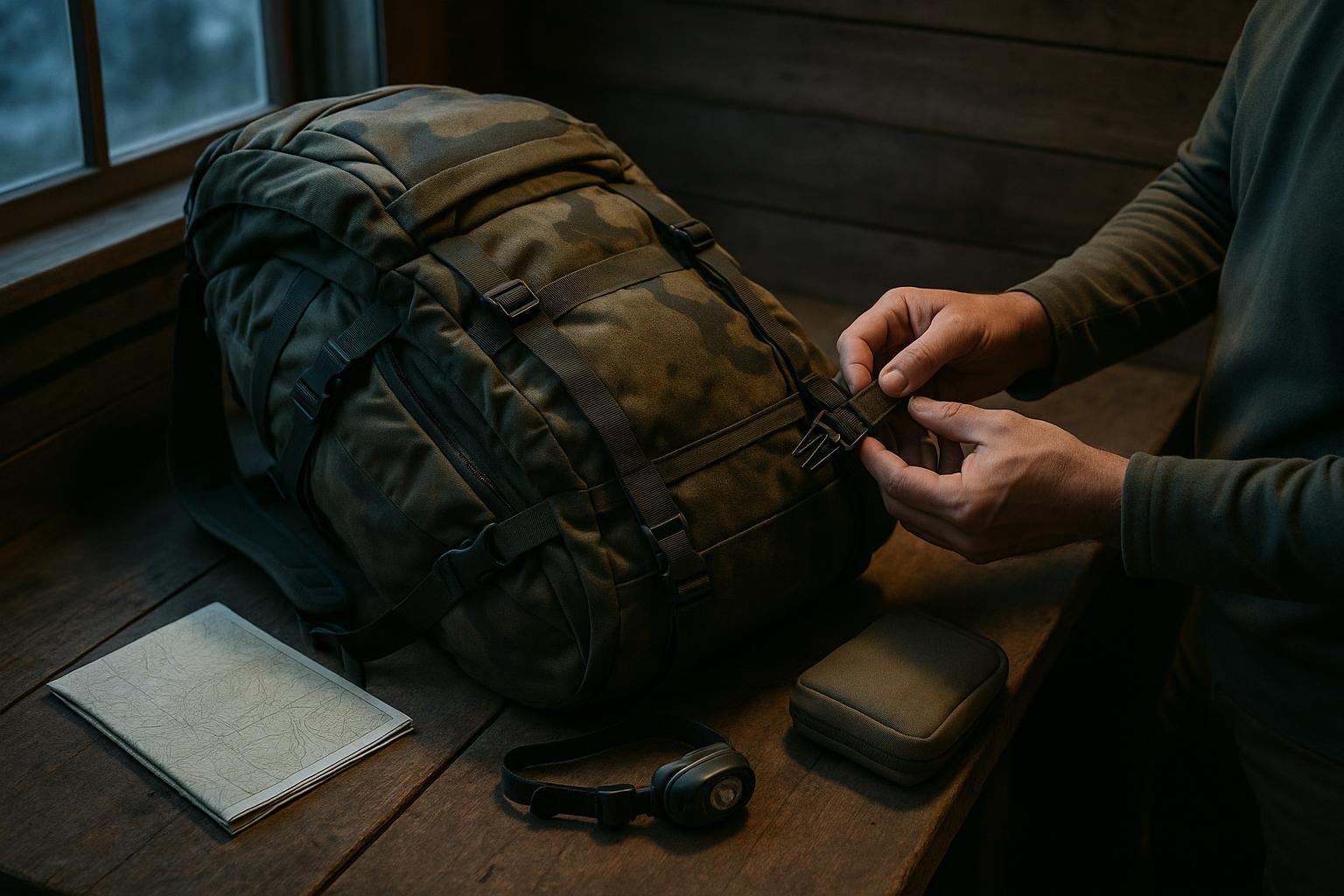
The Pre-Season Habits That Make Hunting Days Run More Smoothly: A Practical Planning Framework
The missed strap, expired permit and unfamiliar access gate usually cause more trouble than the difficult terrain. Pre-season hunting preparation is less about adding equipment than removing uncertainty before it follows you into the field. A useful plan connects gear inspection, current regulations, access details, personal limits and habitat responsibilities, so decisions made under pressure are simpler and more defensible.
Turn a vague plan into a field-ready one
Start with the hunt you actually intend to make, not an idealized version of it. Write down the species, area, likely dates, travel route, access permission and the conditions that would make you cancel or change plans. A short morning outing on familiar public ground needs a different setup from a remote trip that depends on a long walk, uncertain weather or a private-land agreement.
That distinction prevents both under-preparation and needless weight. If the route includes a stream crossing, inspect footwear and pack protection. If you expect to sit for long periods, prioritize insulation, quiet layers and a way to stay hydrated. If retrieval could be difficult, think through the terrain and available help before leaving rather than improvising after a successful shot.
Keep the plan somewhere accessible, along with an emergency contact and an expected return time. This is not dramatic preparation; it is a simple safeguard when plans change or a vehicle remains at a trailhead longer than expected.
Use a hunting checklist that catches quiet failures
A checklist earns its place when it covers items that are easy to overlook and difficult to replace in the field. Keep it short enough to use, then adapt it to each trip:
– Confirm the current license, tag, season dates, permitted methods, bag limits and reporting requirements.
– Check access permission, parking rules, gates, boundaries and any local restrictions.
– Inspect footwear, clothing, pack straps, optics, light sources, navigation tools and first-aid supplies.
– Verify that batteries are charged, backups work and electronic maps are available offline if needed.
– Pack water, food, waste bags and weather-appropriate layers rather than relying on a favorable forecast.
– Review a safe, legal shot opportunity and retrieval plan, including when not to take the shot.
– Tell a reliable person the area, route and return time.
Do not treat the list as proof that a trip is ready. Use it to reveal the one item that needs a closer decision. A torn rain shell may be tolerable on a short walk near the truck but a serious weakness on an exposed ridge. The right standard depends on consequences, not on whether an item technically still works.
Inspect equipment by failure, not appearance
Clean gear can still be unreliable. Open and close pack buckles, pull stitching gently, examine boot soles, test headlamps and check that closures operate with cold or wet hands. Look for flattened insulation, cracked waterproof coatings, corroded battery contacts and optics that no longer hold a clear image. Replace or repair the small failures that could force an unsafe retreat.
Firearms and other hunting equipment deserve particular care and must be handled according to the manufacturer's instructions and applicable law. Confirm that everything functions safely, that ammunition is appropriate and that transport and storage procedures are understood. Avoid improvised modifications. If a safety concern cannot be resolved confidently, use a qualified professional rather than taking a chance in the field.
Gear choices involve trade-offs. A larger pack may carry more layers and recovery supplies, but its weight can reduce mobility. Premium features are not automatically useful if they add complexity you will not maintain. Choose equipment by terrain, distance, weather and the cost of failure. A basic item that is familiar and dependable often beats a more elaborate item left untested until opening day.
Verify regulations and access close to the hunt
Hunting regulations can change, and summaries from previous seasons may be incomplete. Check the current official guidance for the exact jurisdiction and species before each season, then confirm details again if dates, units, access conditions or emergency rules change. Pay attention to definitions that affect legal methods, tagging, transport, reporting and where hunting is allowed. When wording is unclear, seek clarification from the relevant wildlife agency before going afield.
Land access deserves the same attention. A familiar road may now have a seasonal closure, a gate may indicate a boundary rather than an invitation, and a permission agreement may apply only to a named property or time period. Save written permission where appropriate, respect posted restrictions and identify a backup location rather than assuming an alternative will be available at dawn.
This is also where conservation planning becomes practical. Check for fire restrictions, habitat work, sensitive areas, trail conflicts and seasonal closures. Avoid parking on vegetation, crossing closed ground or concentrating pressure around vulnerable habitat simply because the route is convenient.
Set ethical limits before pressure arrives
Ethical hunting is easier when limits are decided in advance. Define the conditions for a responsible shot based on identification, visibility, distance, background, stability and your ability to recover the animal. If any part of that chain is uncertain, passing is the correct decision. A tag or legal opportunity does not create an obligation to use it.
Think beyond the moment of harvest. Know how you will confirm the result, handle the animal, cool or transport the meat and report the harvest when required. Carry enough basic recovery and field-care supplies for the conditions, but do not promise yourself that difficult terrain will somehow become easier afterward.
A useful final check is to ask three questions: Is this legal under current rules? Is it safe for people, animals and the surrounding area? Can I follow through responsibly if the opportunity succeeds? If one answer is no, change the plan.
The best preparation often produces an uneventful day: the right gate, working light, legal method and a clear decision when conditions deteriorate. That is not lost excitement. It is what allows skill, restraint and stewardship to matter when the field refuses to cooperate.